
In textile industry areas and cotton-producing regions of Pakistan and India, many schools lack safe water and sanitation. Our WASH programs improve hygiene infrastructure and raise awareness, supporting students’ health and school attendance, especially for girls.
THE PROBLEM
In textile industry areas and cotton-producing regions of Pakistan and India, public schools often face poor infrastructure, limited access to clean water, and inadequate sanitation. These conditions lead to health issues, gender-based absenteeism, and high dropout rates.
Rooted in structural inequalities shaped by colonial histories and global trade imbalances, these challenges call for community-led, locally owned solutions.
THE IMPACT
In Numbers
0
schools equipped with WASH facilities
0
+
students with improved education environments
0
WASH trainings realized
WHAT WE DO
Our Solution
Our goal is to ensure access to clean water, safe sanitation, and basic hygiene infrastructure in public schools across textile industry areas and cotton-producing regions. We focus on
- rehabilitating and expanding WASH infrastructure,
- promoting hygiene education among students and teachers,
- and supporting schools in embedding hygiene practices into everyday routines through the establishment of WASH clubs.
All activities are developed and implemented by our trusted local partner NGOs. Through their deep understanding of the regional context, they ensure that each intervention is tailored, culturally appropriate, and sustainable. This approach strengthens local ownership and helps improve health, attendance, and learning conditions in the long term.
THE IMAPCT
Qualitatively
Access to Clean Water
Students and teachers now benefit from reliable access to safe drinking water, reducing the prevalence of waterborne illnesses.
Hygiene Awareness
Hygiene training and the formation of student-led WASH clubs fostered long-term behavior change and increased awareness of personal and environmental hygiene.

Reduced Absenteeism
Improved sanitation infrastructure has led to a noticeable drop in illness-related absences, especially among girls.

Broad Community Benefit
By opening school facilities to the public and turning students into hygiene advocates, the project extends its reach far beyond the classroom – ensuring that both clean water and better health habits take root throughout the entire neighborhood.
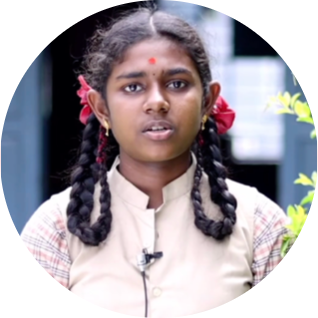
They have helped our school with toilet and a place to wash our hands. Earlier we use to drink river water. But, now we drink good and hygienic water from RO. Before, we use to get fever for drinking water from the river. But, now getting water from the RO is helpful. For washing hand also we didn’t have proper water facility. Now, we have enough water for washing hands. Our dirty bathroom were also now renovated neatly.
Charuh Hasani
Student, Panchayat Union Middle School; Appiyapalayam, New Tirupur, India
Strengthen community health around your sourcing regions with essential WASH access!
PROGRAM DEVELOPMENT
WASH 4 Schools
2022
One School in Malir, Karachi, Pakistan (Pilot Project)
1
2023
5 Schools in Malir, Karachi, Pakistan
2
2024
5 Schools in Bahawalnagar, Pakistan + 10 Schools in Malir, Pakistan + 1 school in Tamil Nadu, India
3
2025
24 Schools in Malir, Pakistan + 4 schools in Sindh, Pakistan
4