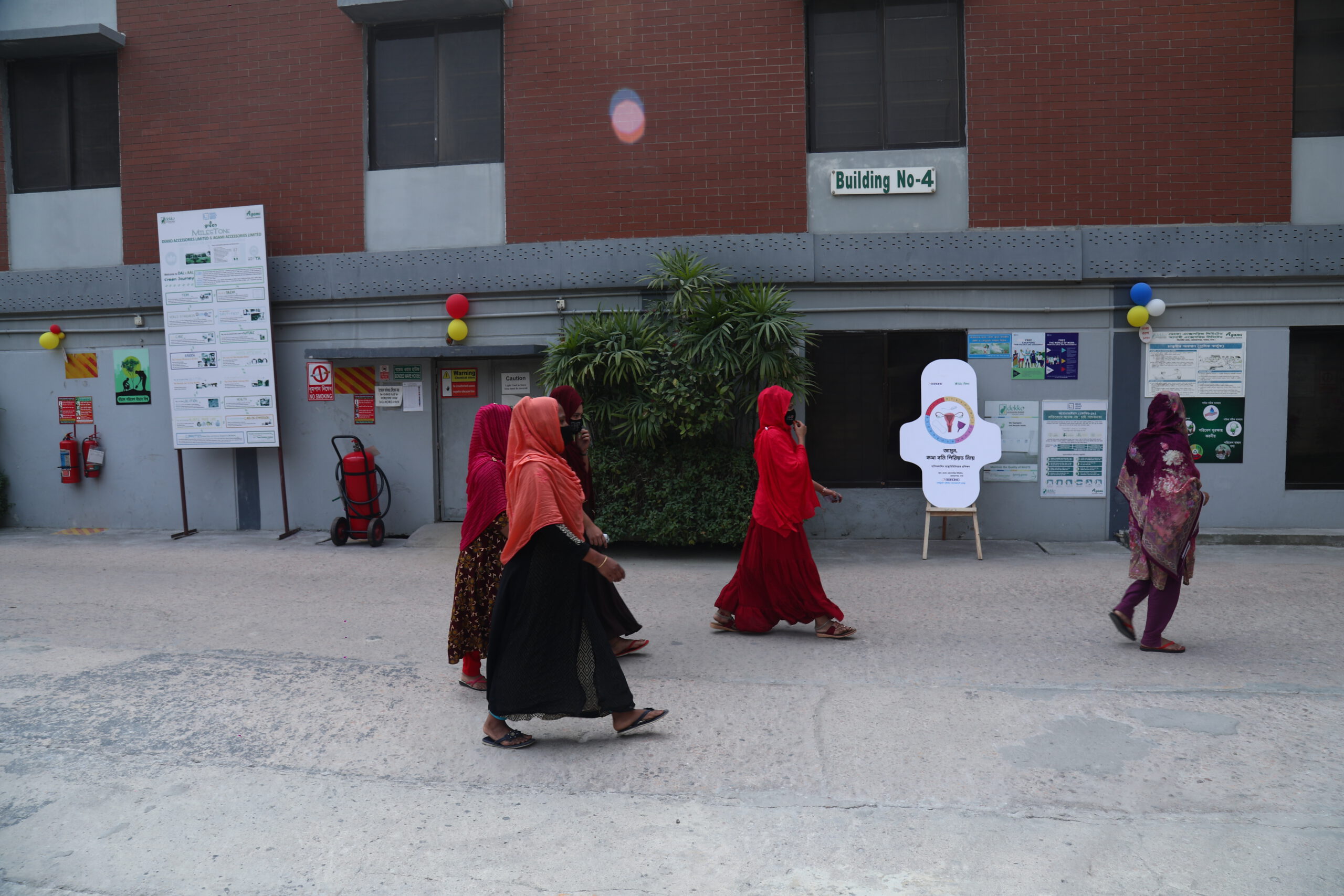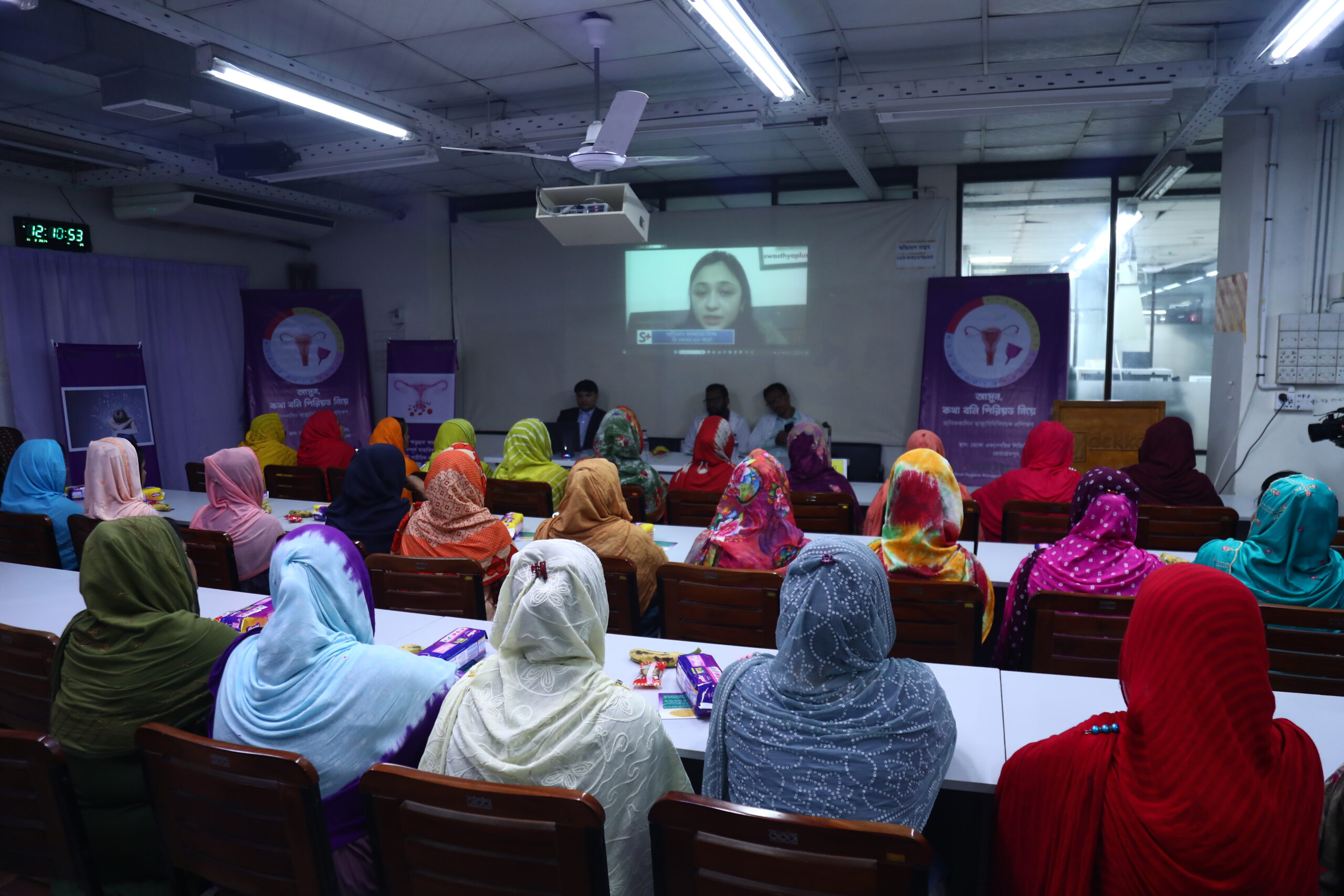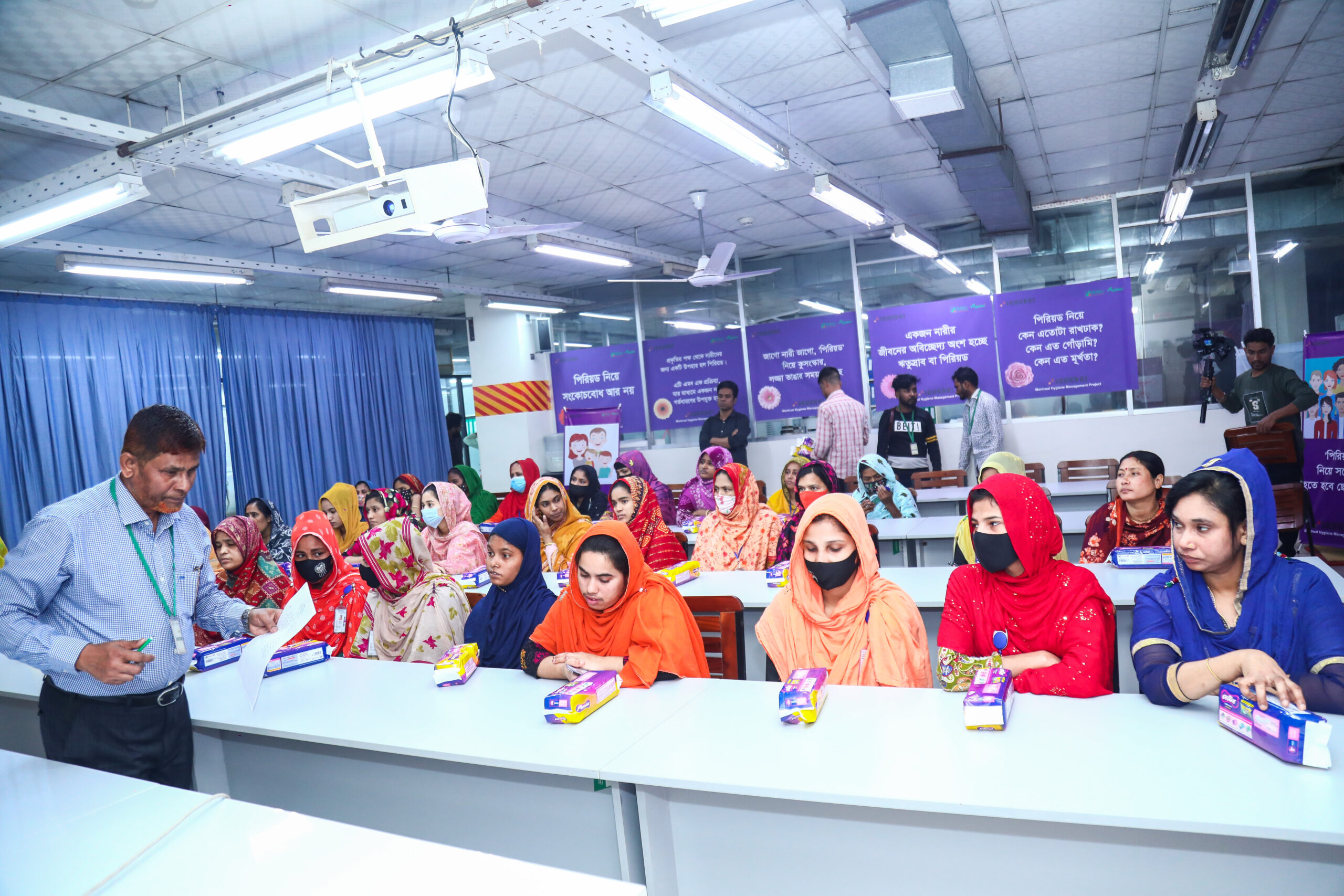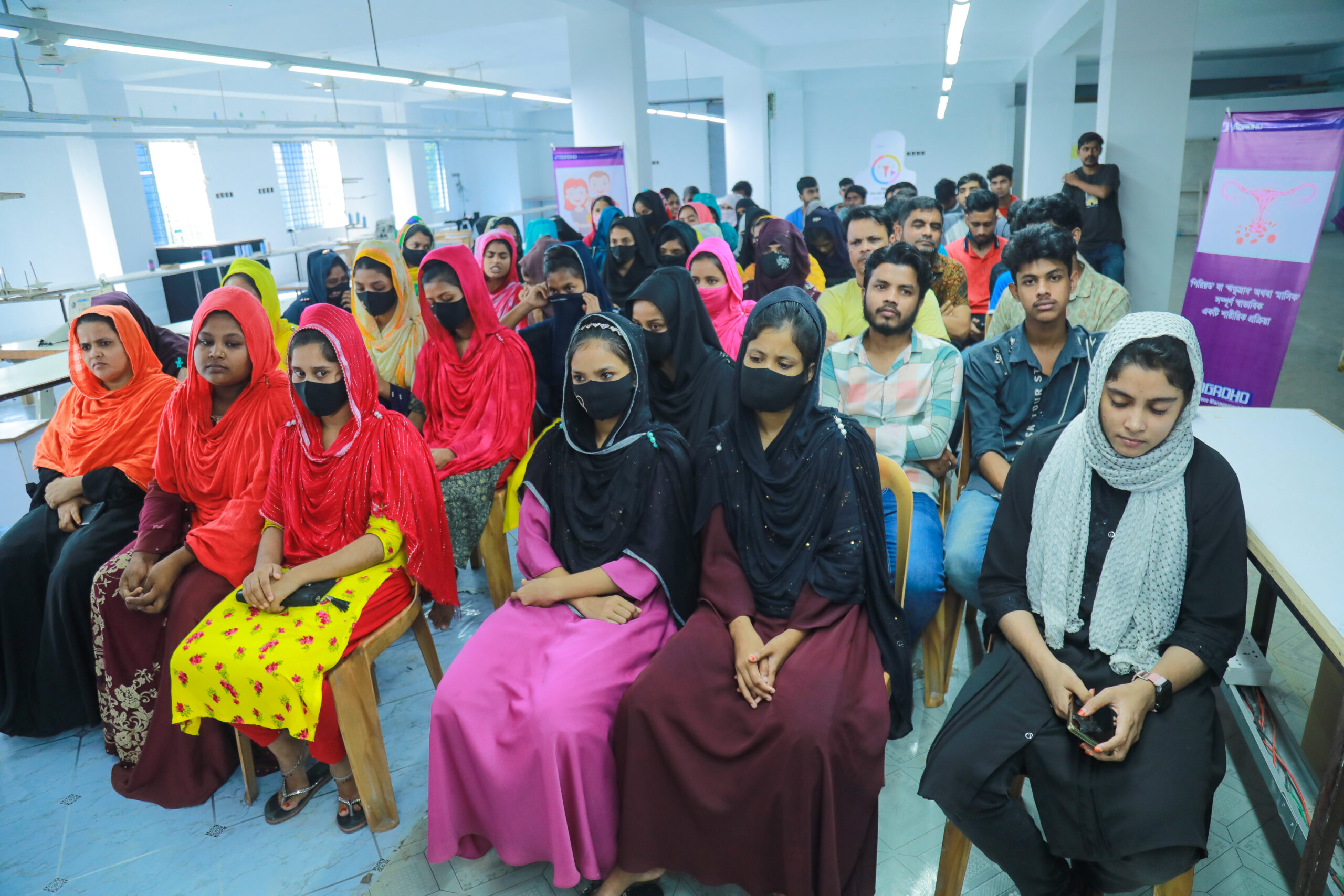
Empowering women textile workers by promoting menstrual health and hygiene (MHM) at textile factories in Bangladesh and Ethiopia.
THE PROBLEM
Menstrual hygiene in the textile sector faces numerous challenges. Beyond social issues such as taboo, stigma, and lack of education, limited access to affordable menstrual products poses a significant problem for most female* workers. Due to extremely low wages, many are unable to purchase proper menstrual products and are forced to rely on unhygienic alternatives.
Irregular changing of these materials often results in infections and long-term health complications. In addition to using inadequate materials, the absence of functional and safe facilities further exacerbates the issue. In many factories, WASH (Water, Sanitation and Hygiene) facilities are insufficient, poorly maintained, or entirely out of service.
THE IMPACT
In Numbers
factories involved
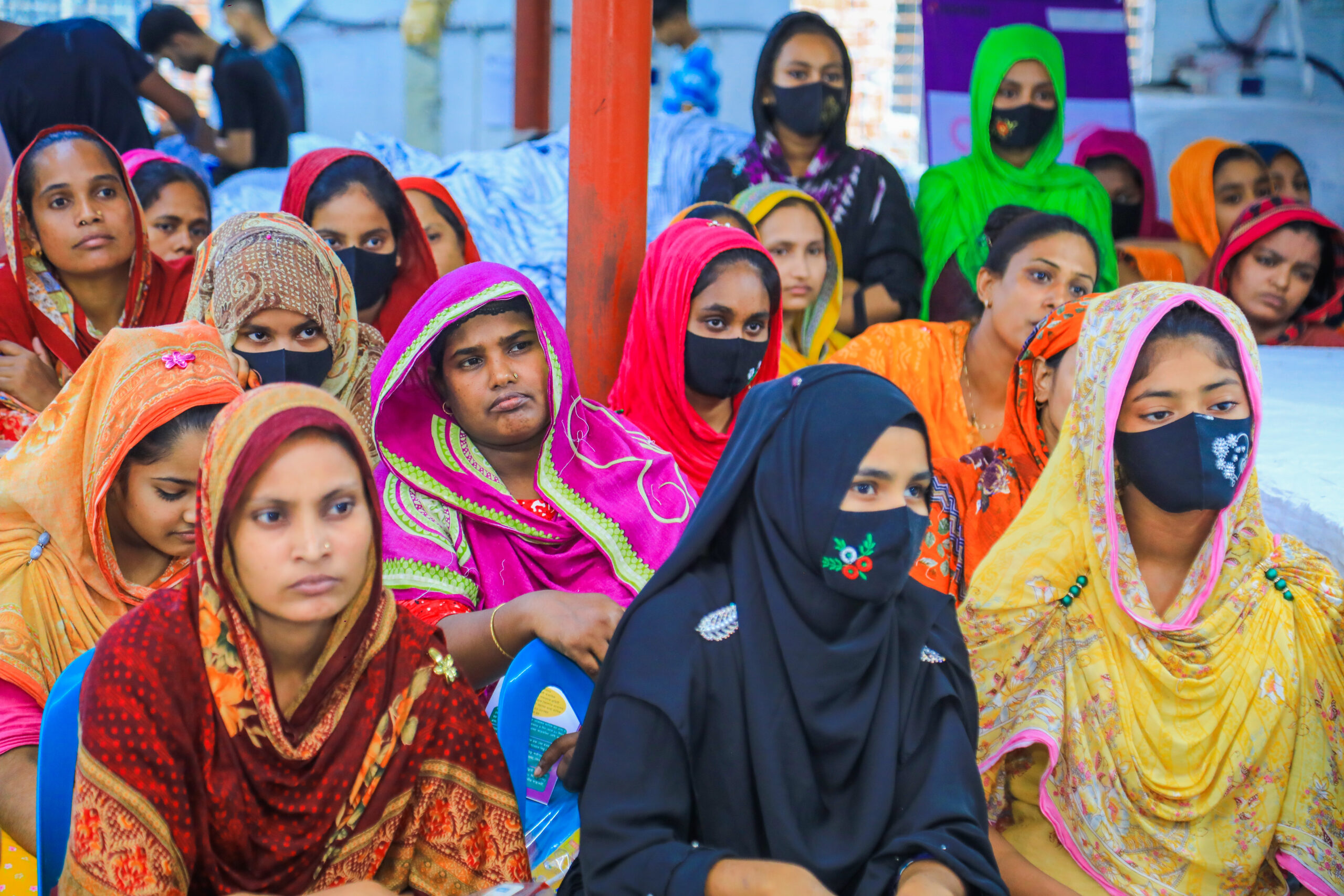
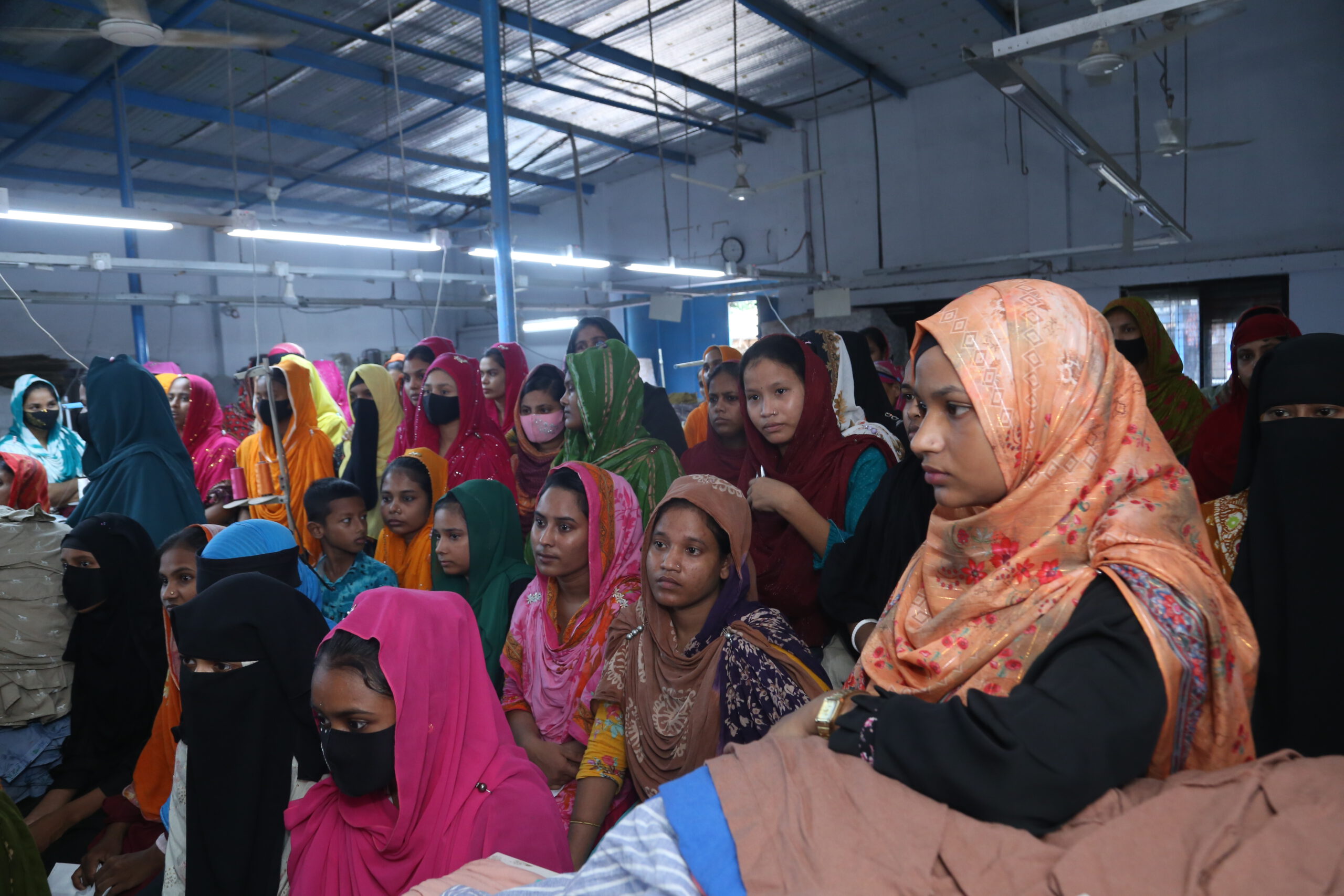
Workers trained to decrease stigma
factories continued to provide free sanitary products

WHAT WE DO
Our Solution
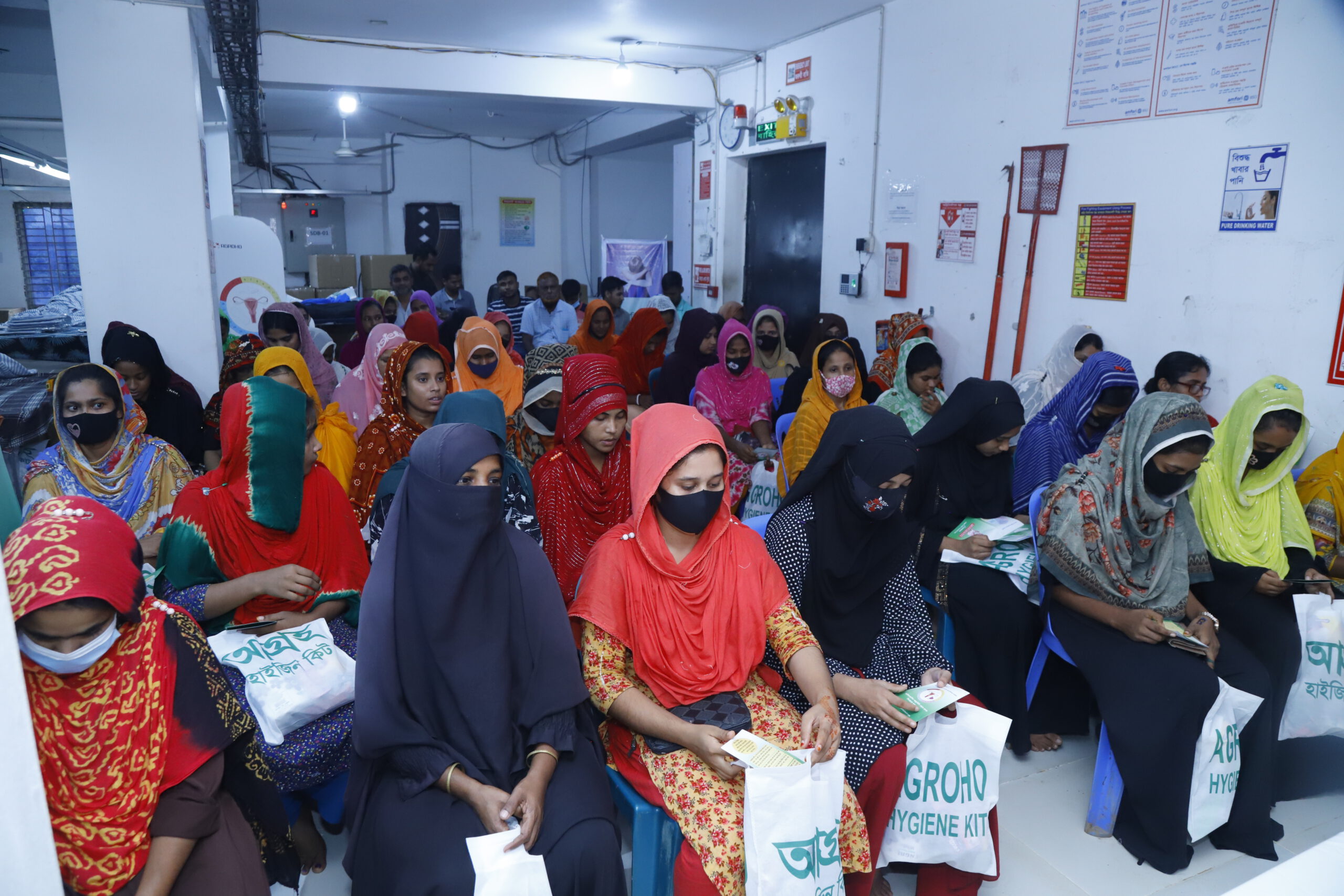
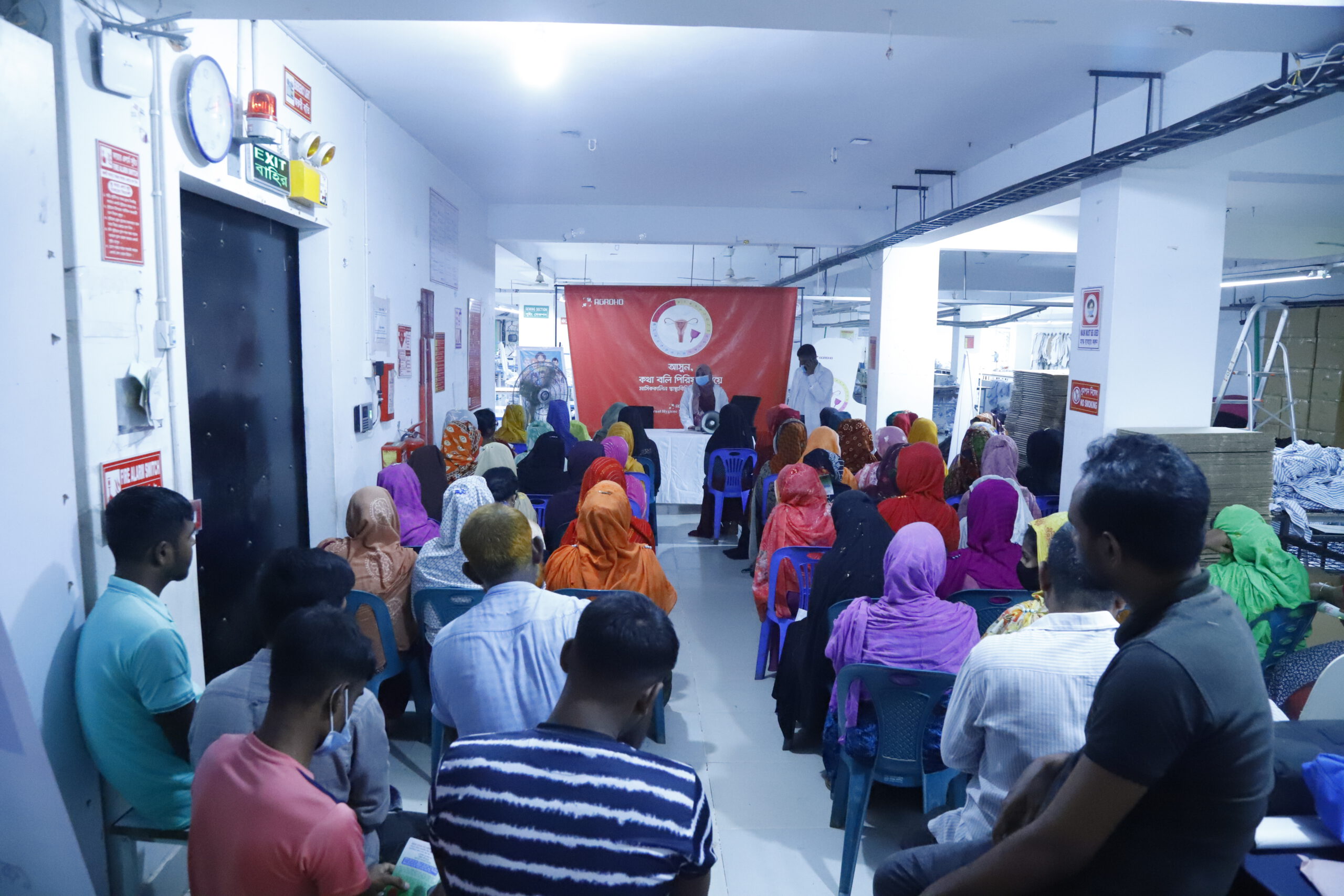
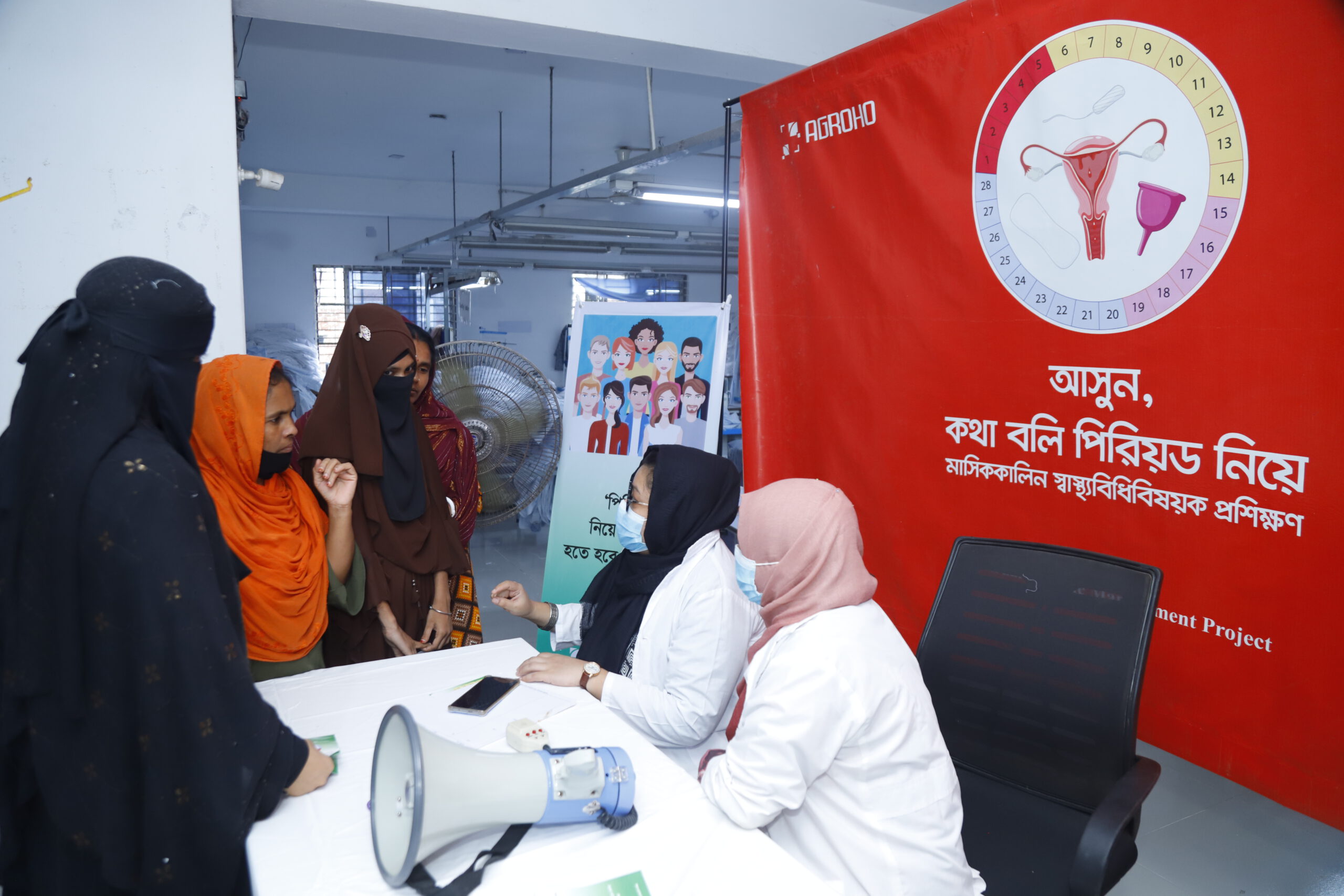
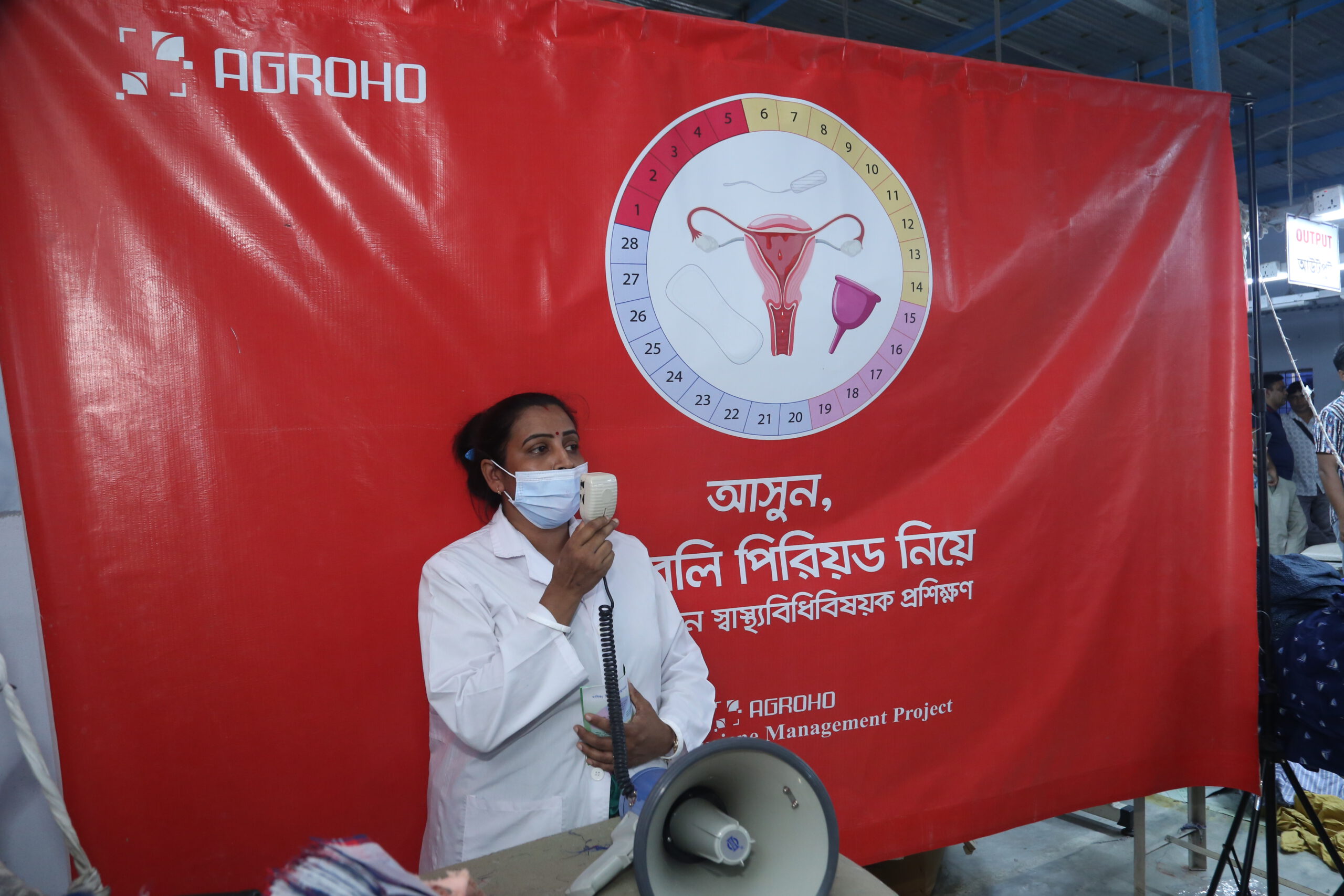
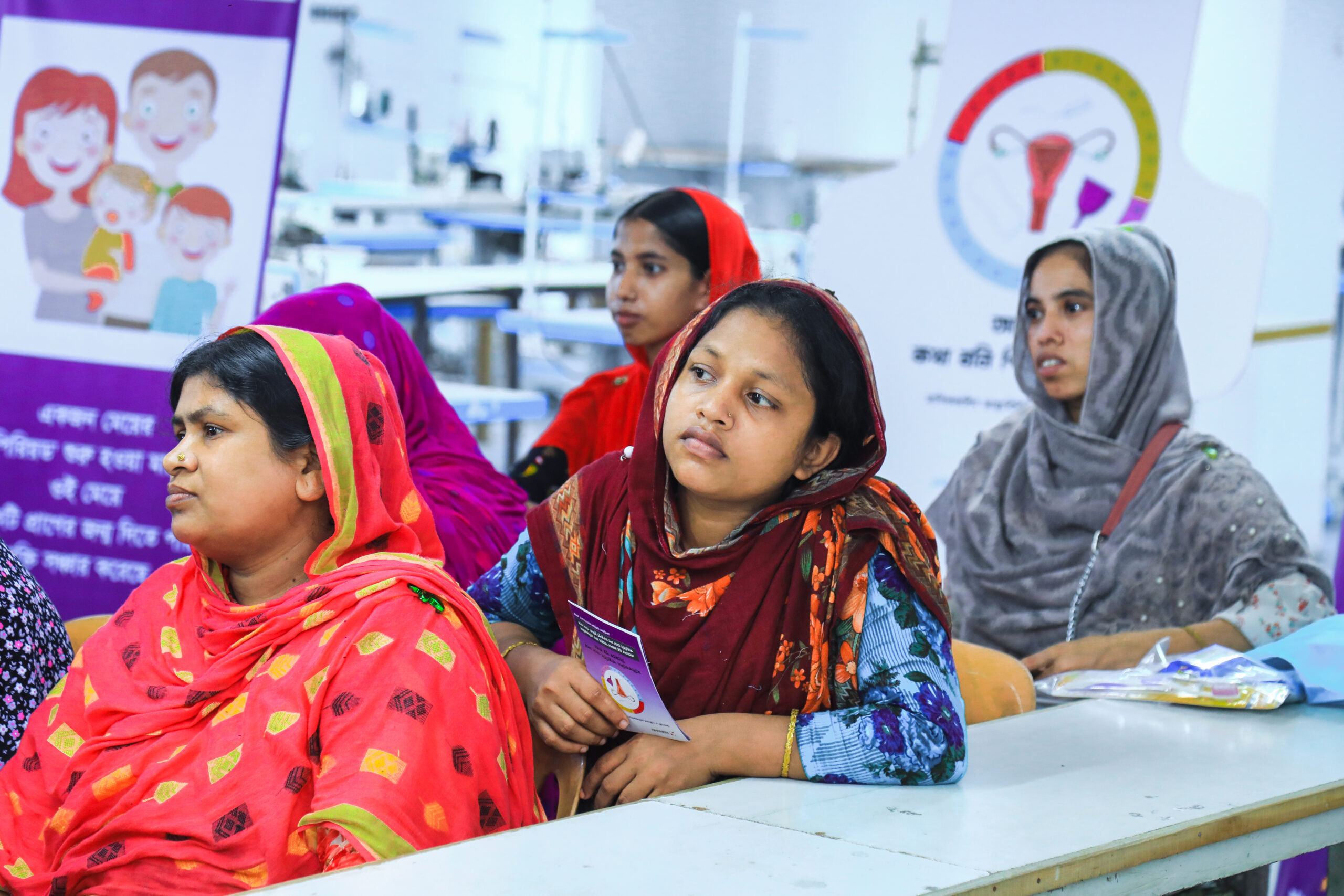
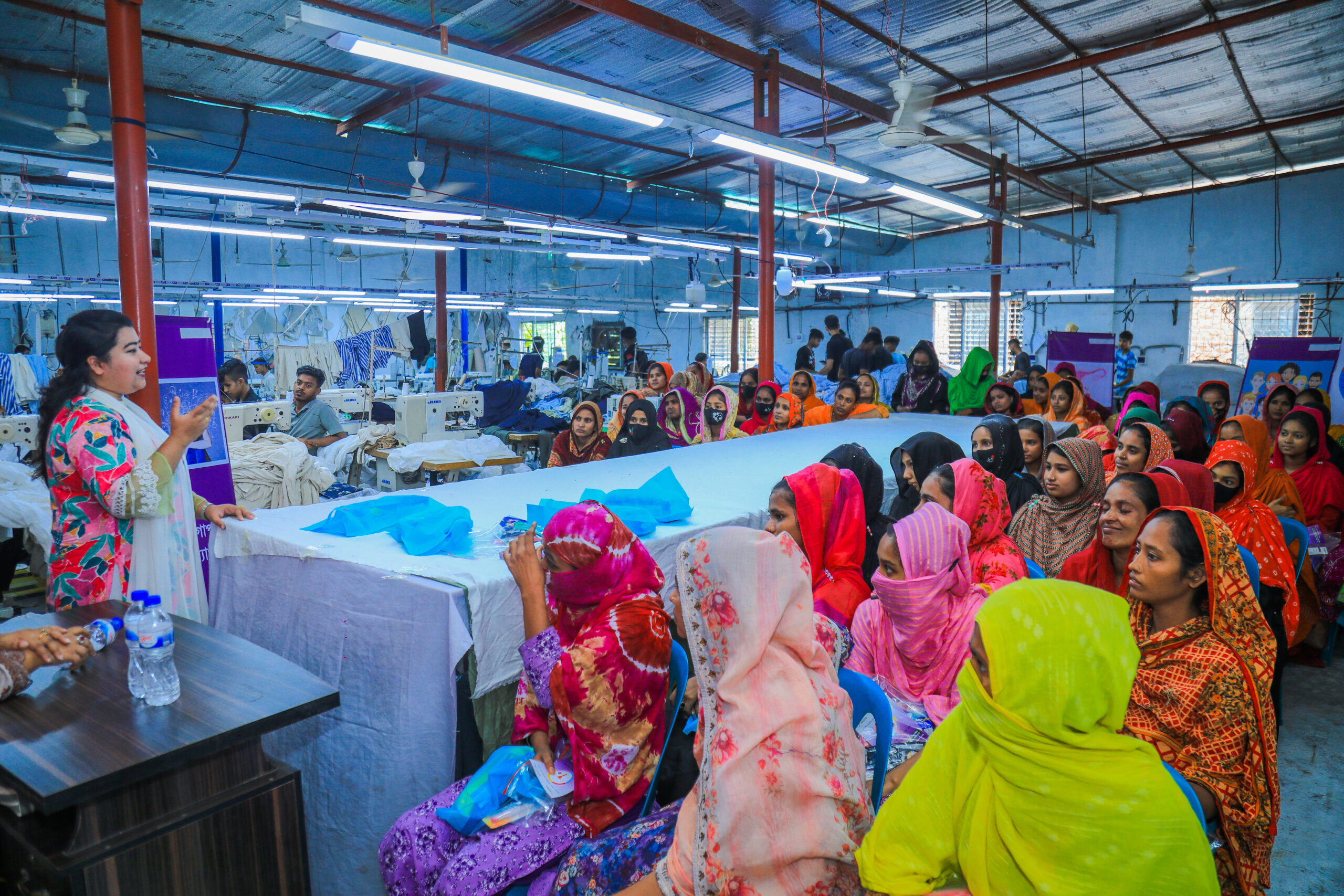
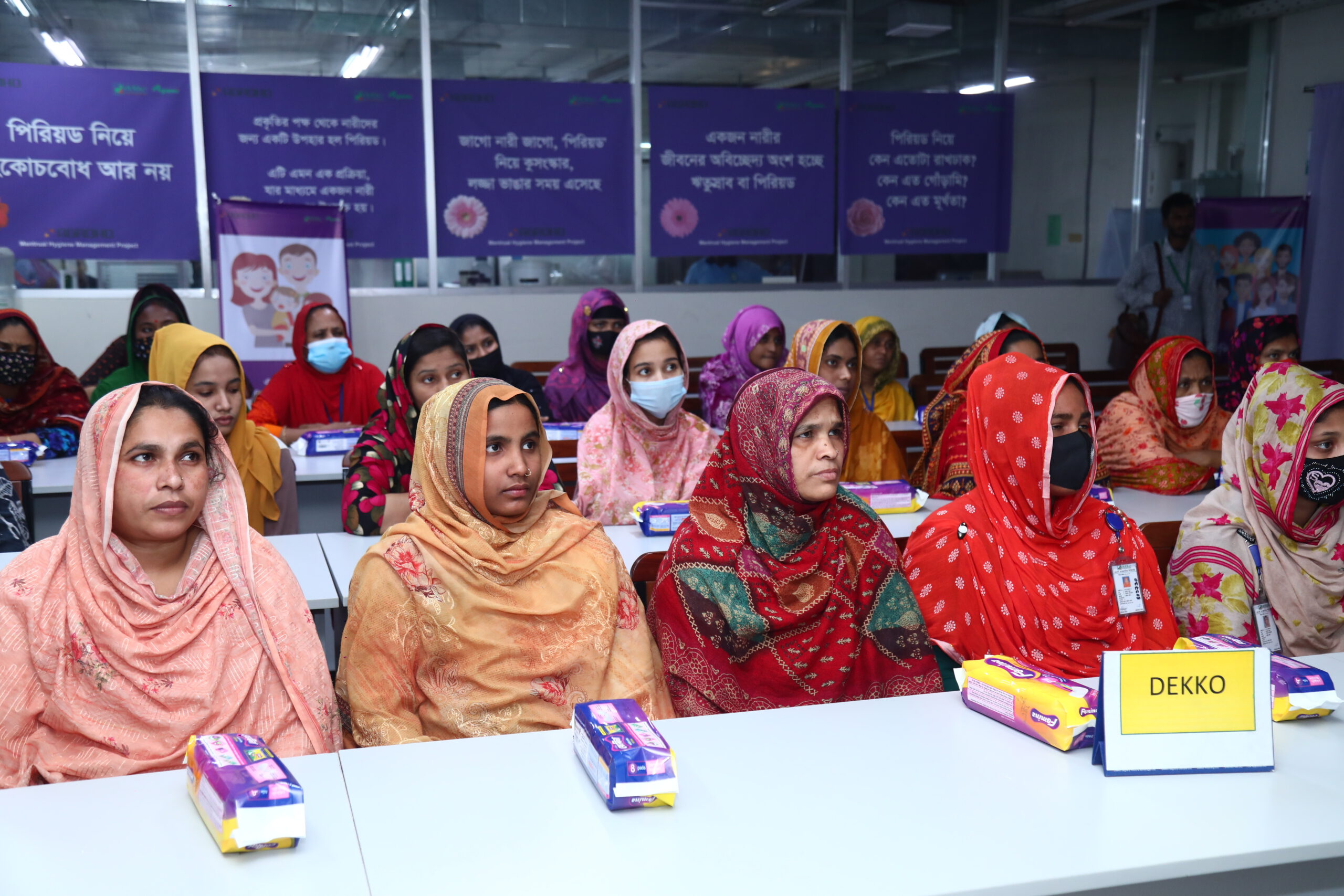
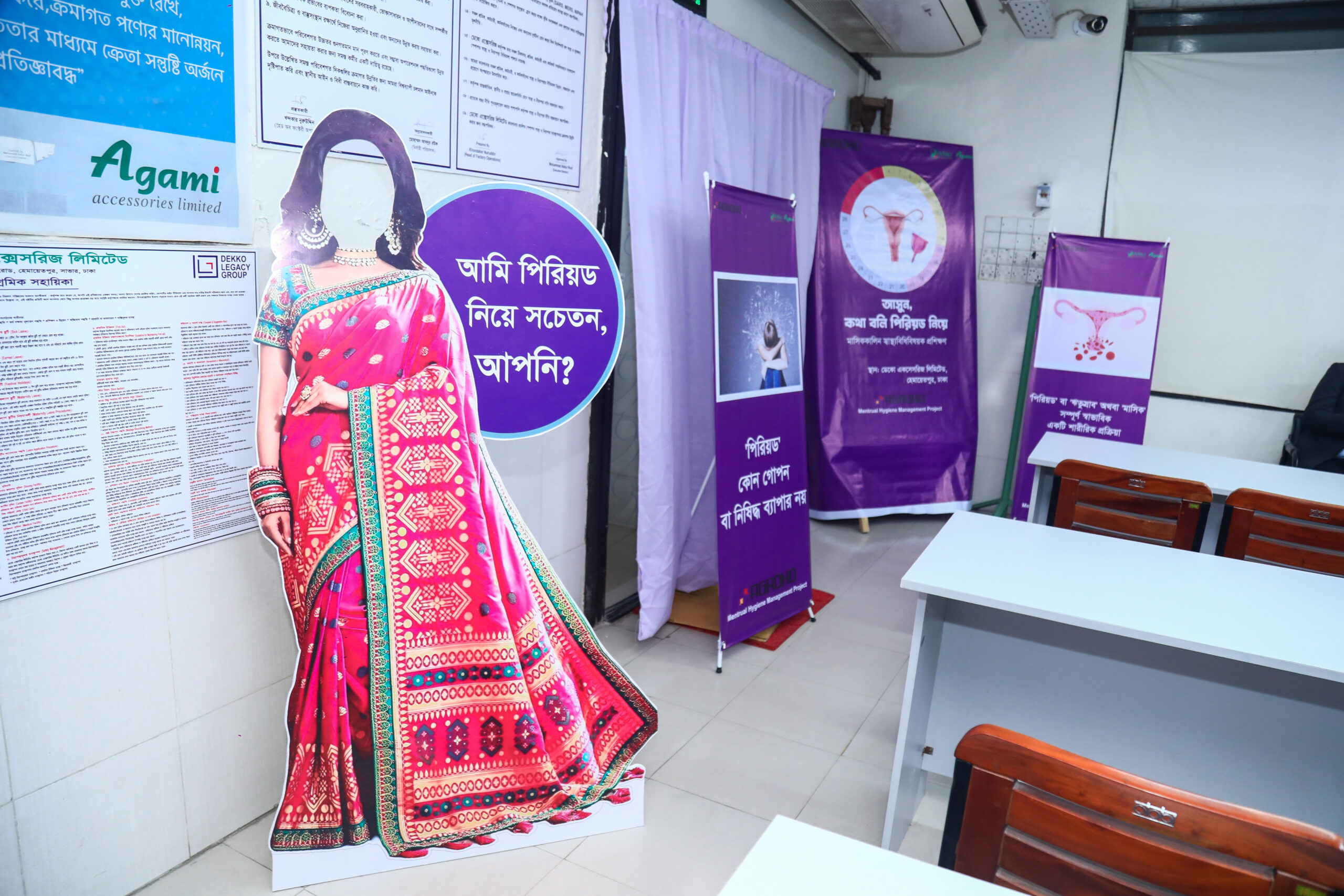
- training on menstrual health and hygiene (MHM) for workers and supervisors,
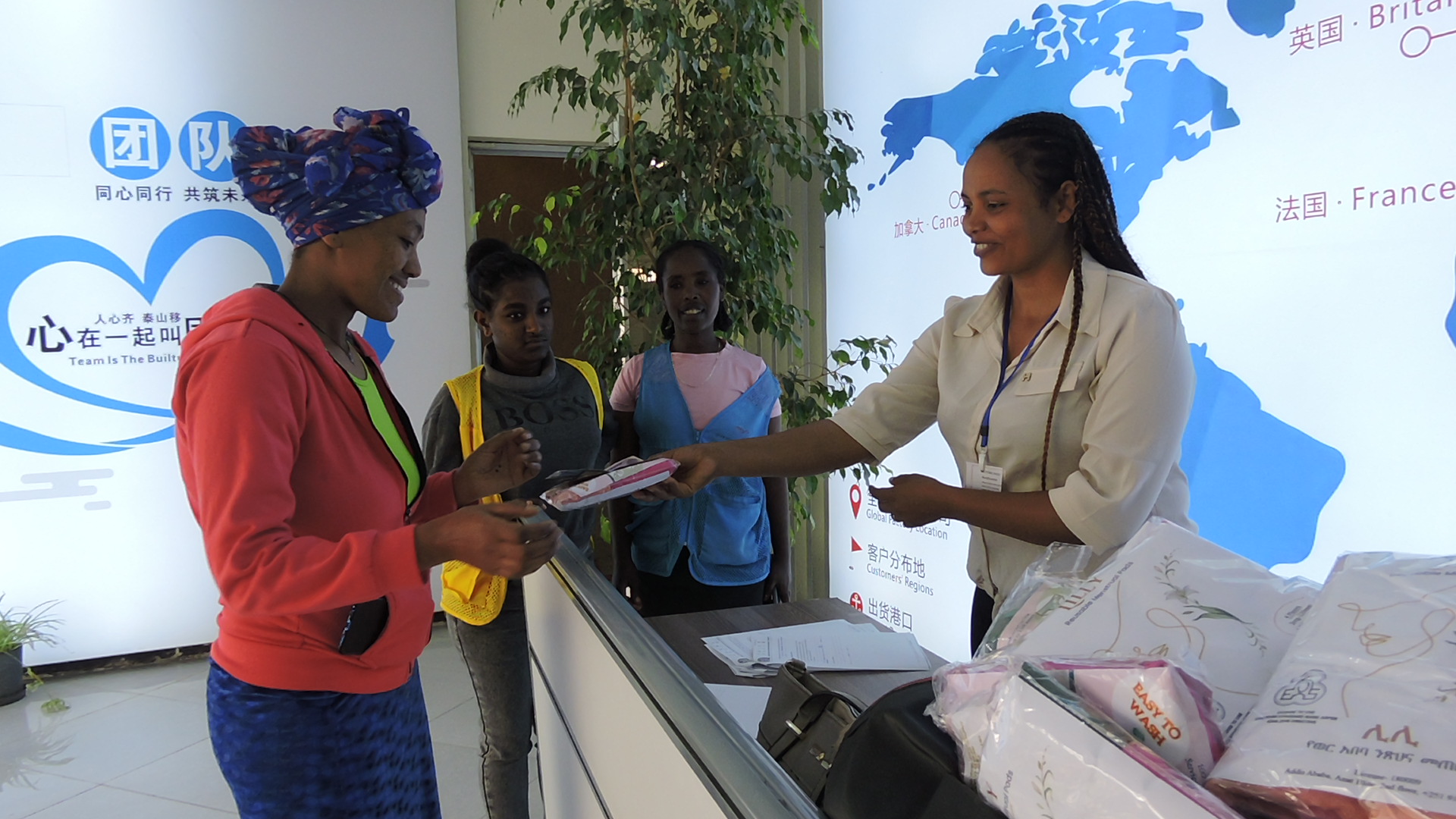
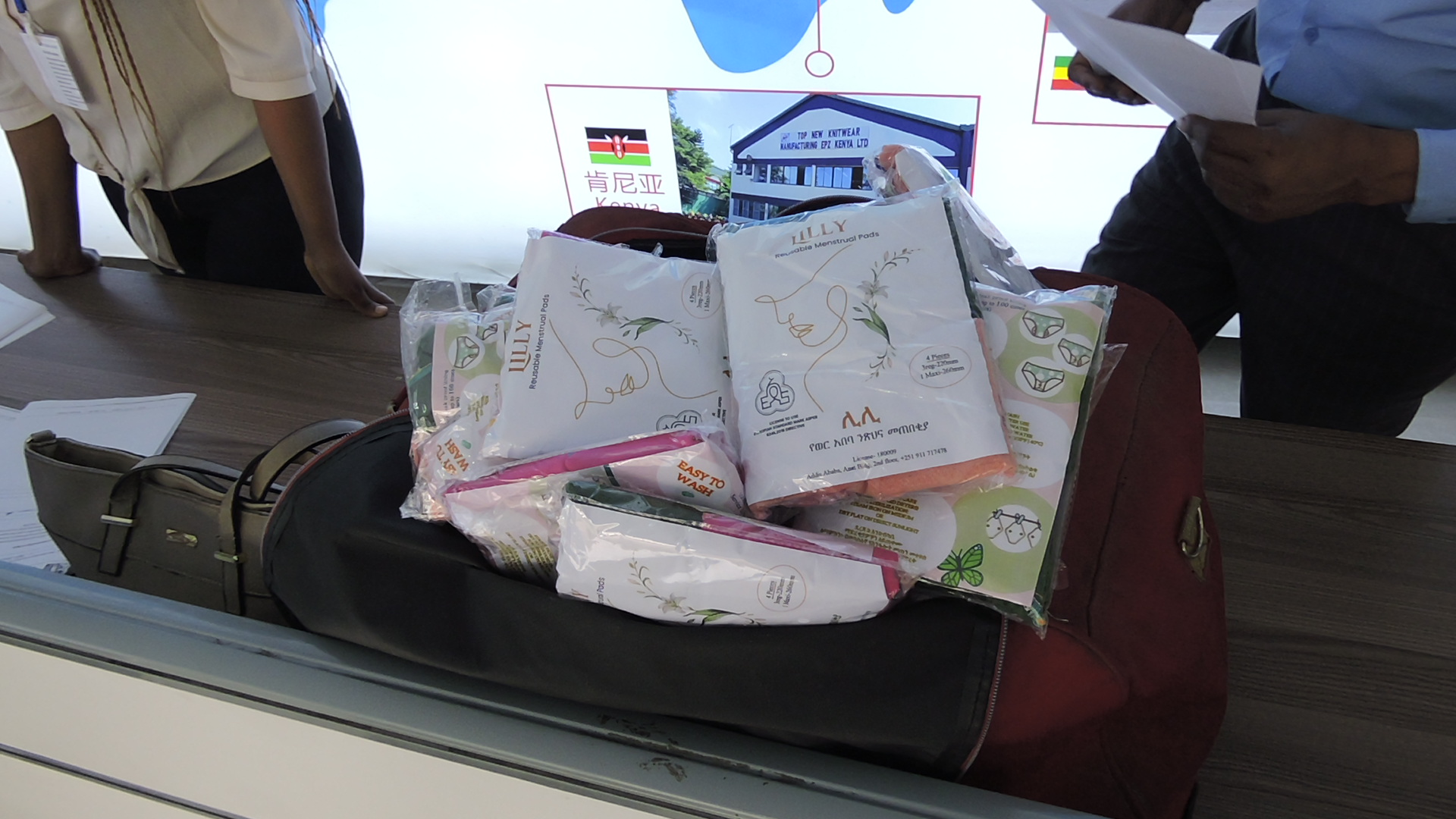
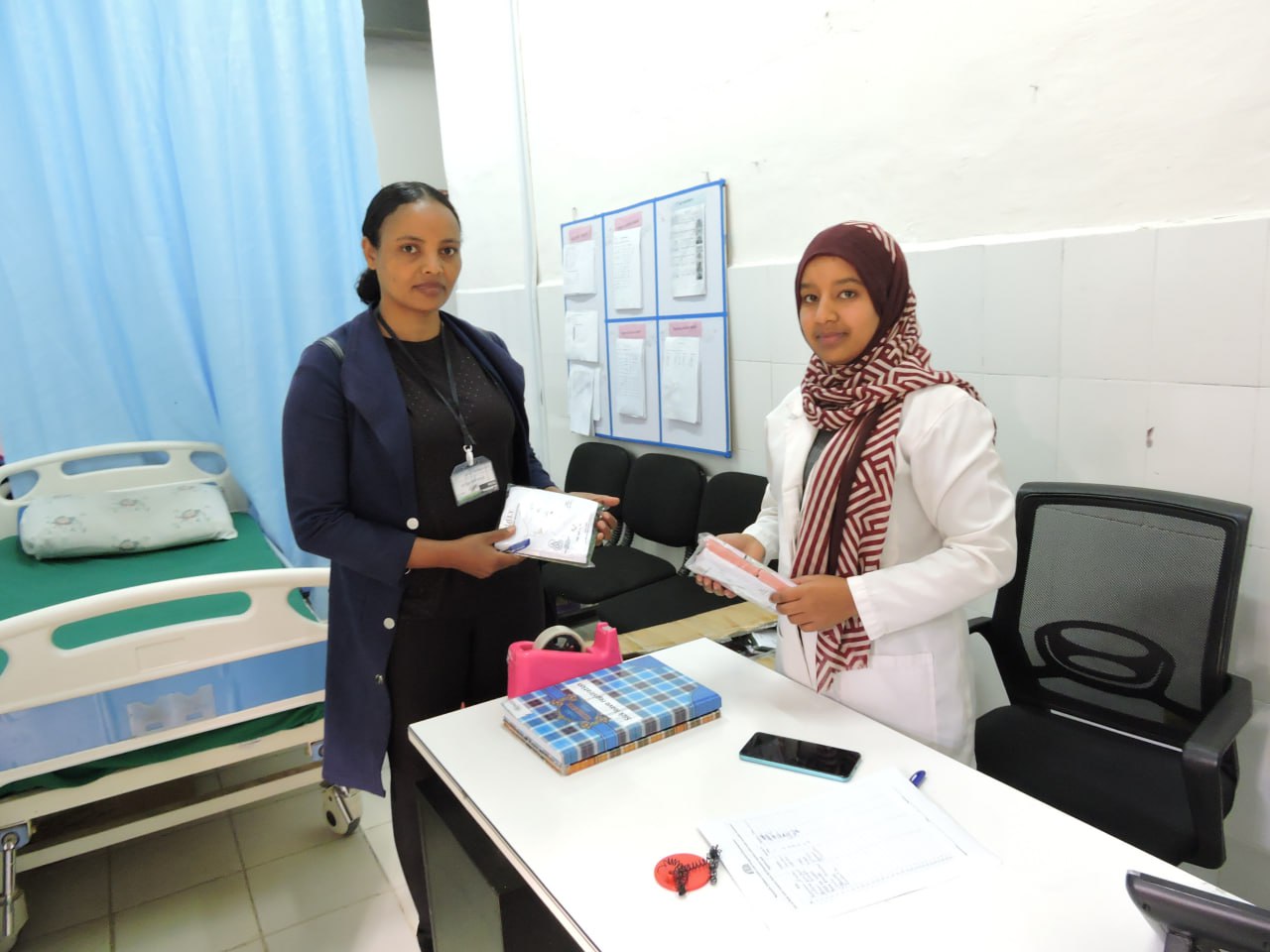
- upgrading sanitation infrastructure, and providing free menstrual products.
THE IMAPCT
Qualitatively

Sensitization

Improved Health
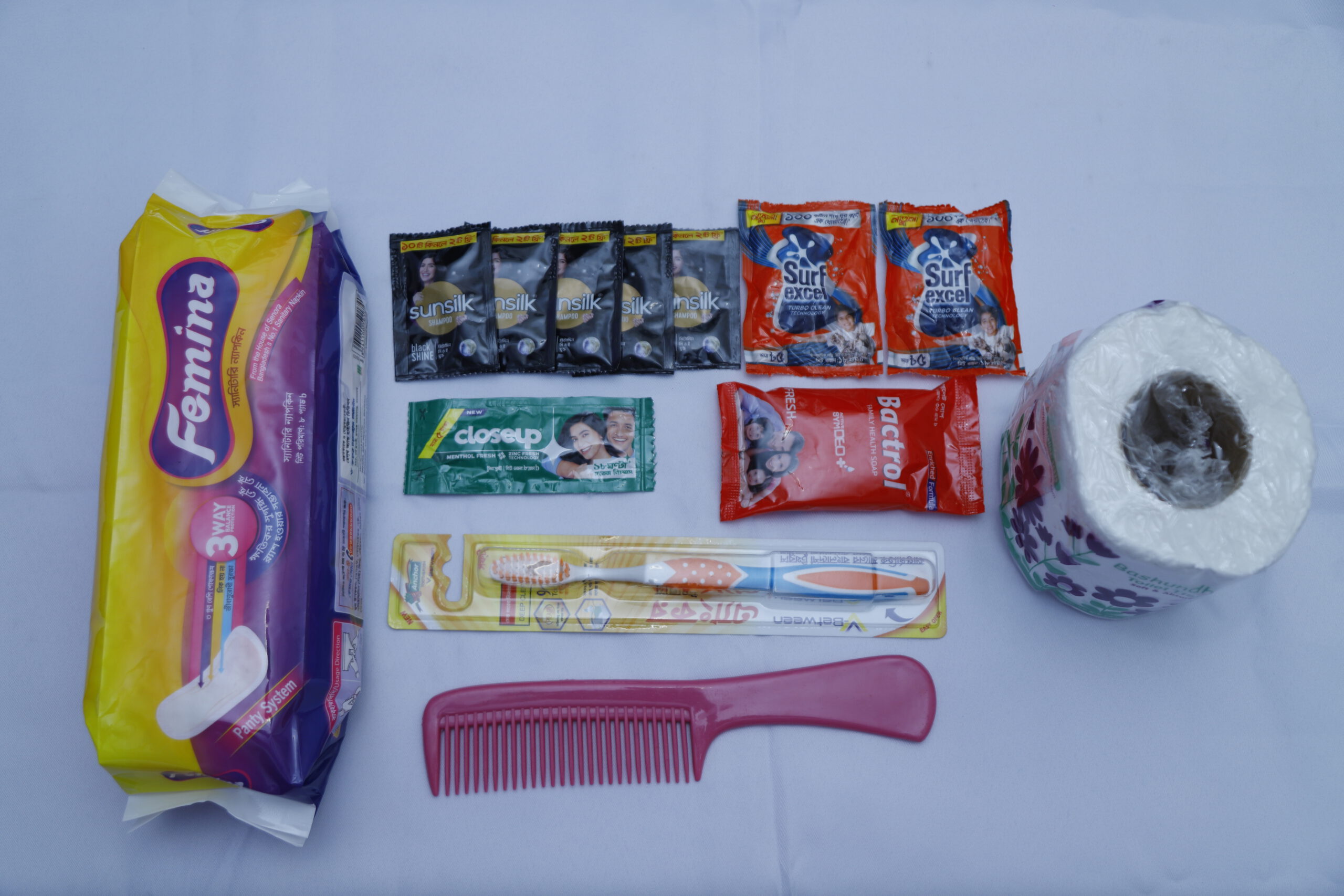
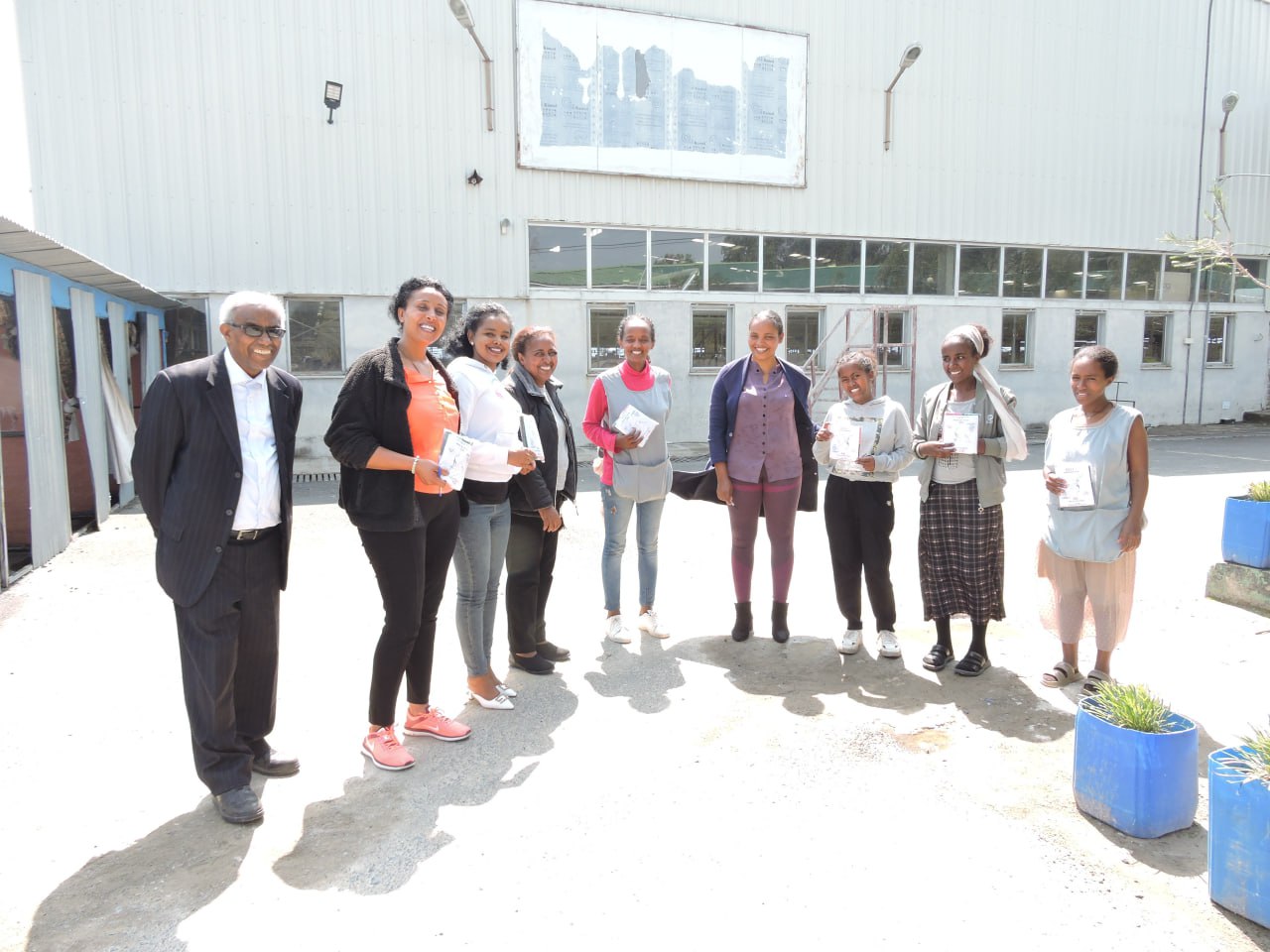
The distribution of hygiene kits and sanitary pads reduced the use of unsafe alternatives and thus lowered health risks. Three factories institutionalised the free distribution of products.

Economic aspects
Equality and solidarity
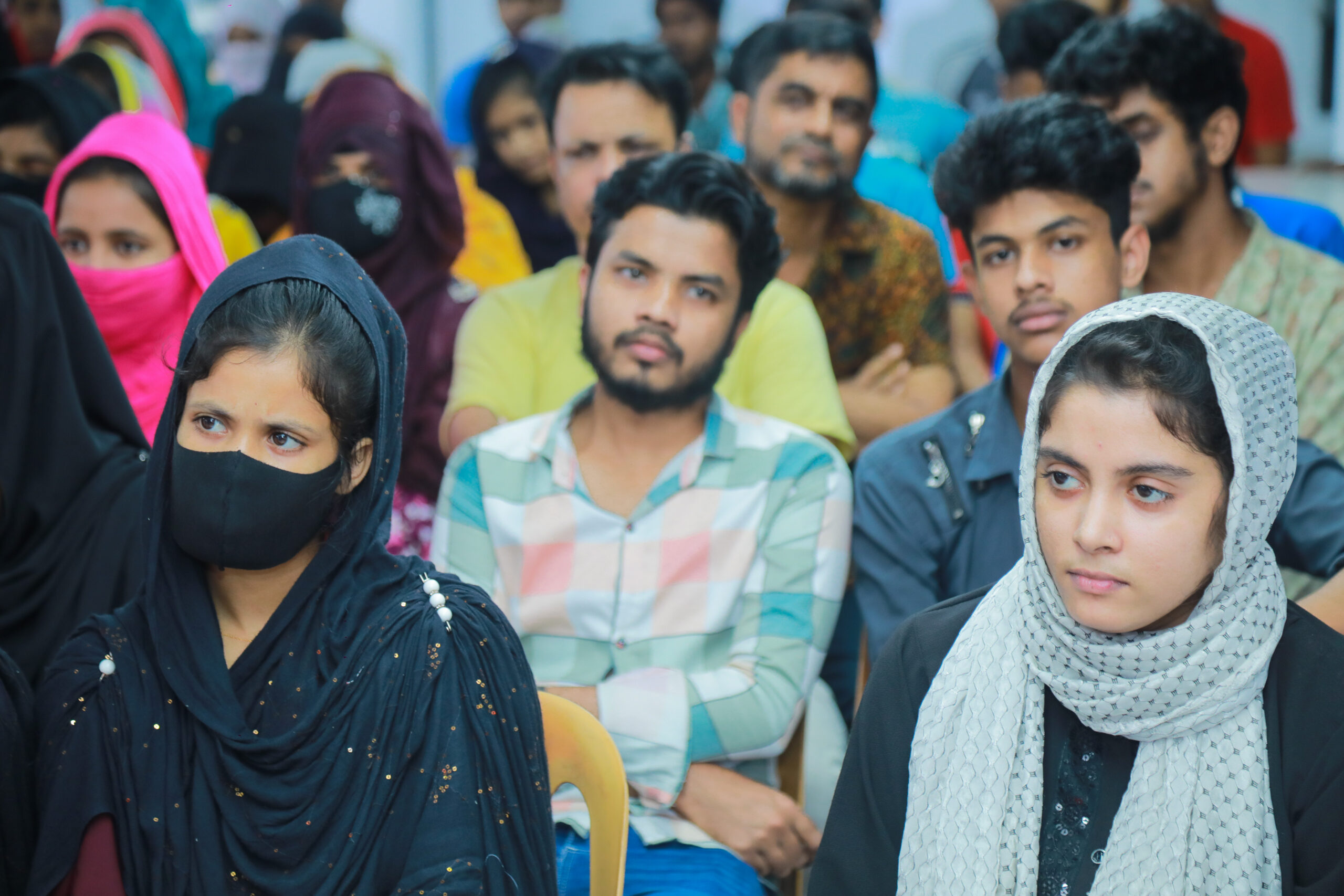
Open menstruation discussions strengthened respect between the genders, reduced discrimination, strengthened the female workers’ self-confidence and promoted solidarity.