
Installing water filters and deep tube wells in rural Bangladesh to provide safe drinking water to textile worker communities in areas where industrial effluent has severely contaminated groundwater sources.
THE PROBLEM
Textile factories in Bangladesh frequently release toxic industrial effluents directly into nearby rivers, canals, and groundwater sources without proper treatment. As a result, the water sources relied upon by surrounding rural communities for drinking, cooking, washing, and bathing become severely contaminated.
This pollution not only threatens the immediate health of these communities, causing waterborne diseases and chronic conditions, but also undermines their livelihoods and ability to work and generate income.
THE IMPACT
In Numbers
water filters built
people benefitting
WHAT WE DO
Our Solutions
- meaningful stakeholder engagement
- regular water quality tests
- training of a water committee and operator
Deep Tube Wells
Biosand Filters
Piped Water Systems
THE IMAPCT
Qualitatively
Access to safe & clean water

Improved community health

Empowerment of women and girls

Restoration of natural resources
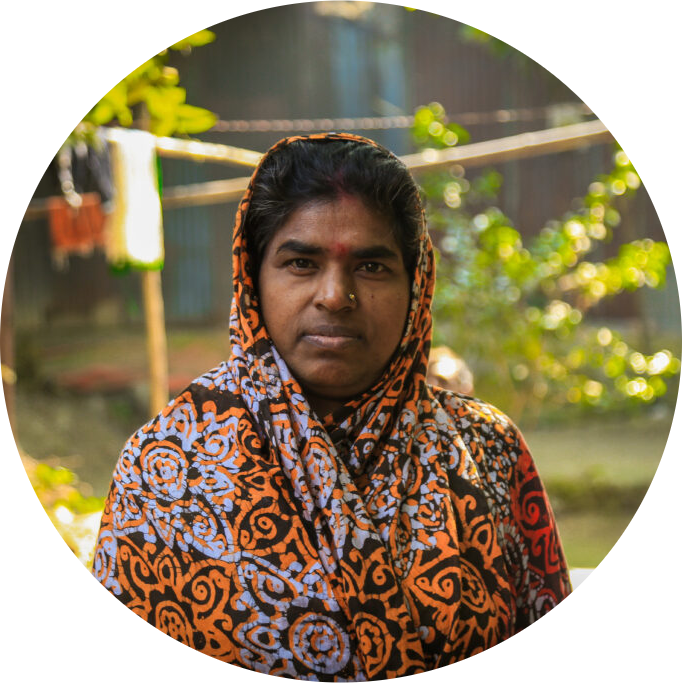
“We had to fetch water from different places and were often subjected to insults. When relatives or guests visited, it became even more difficult and embarrassing for us. the water from the wells we had at home smelled bad. During the Bangla month of Chaitra-Boishakh, we often had no water at all. There are around 250 families living here, and we never had a reliable source of safe water. But now, after a piped water supply system was installed, our lives have truly changed. We are finally receiving safe and sufficient water, and we are doing much better.”
Promila Rani Malo (43 Years)
Makhulia, Savar, Dhaka
Bring safe drinking water to your supply chain. Partner with us for quick, measurable impact.
PROGRAM DEVELOPMENT
Water Filter Systems
Between 2019 and 2021, we installed ten Biosand Filters in and around Dhaka, Bangladesh.
In early 2022, water tests revealed more severe contamination in the shallower groundwater levels. As a result, we shifted to a combined solution using deep tube wells alongside additional water filters. Between 2022 and 2024, we installed 70 of these systems.