The Microplastic Crisis
Unraveling Polyester’s Global Environmental Footprint
written by Maddy Pratt
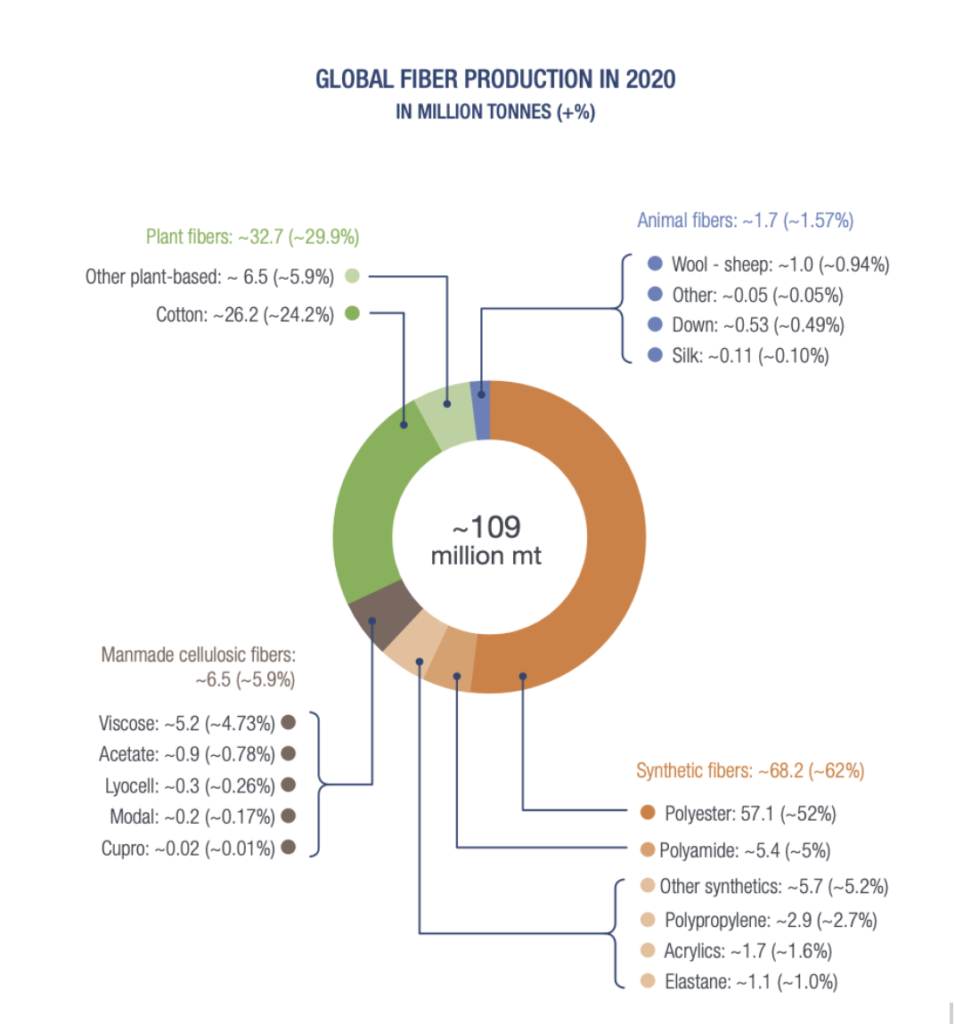
In 2020, the global fibre production of synthetic fibres reached approximately 68.2 million tonnes (mt), making up approximately 62% of the market share for global fibre production. Figure 1 below illustrates the breakdown of this production, revealing that 57.1mt out of 68.2mt of polyester fibre was produced. The subsequent production quantities also included polyamide, other synthetics, polyamide, polypropylene, acrylics, and elastane.
Figure 1: Global Fibre Production in 2020 in million tonnes (+%). Source: Textile Exchange, 2021.
Manufacturing Polyester – The Environmental Cost
olyester is widely utilised in an array of textile products, such as upholstery, bags and most commonly, clothing. Polyester is typically manufactured from ‘Polyethylene terephthalate (PET)’ which is considered a type of ‘thermoplastic polymer resin’, often derived from petroleum, combined with numerous other chemical additions and modifications that can result in pollution throughout the production, use and end-of-life phases (Stanes & Gibson, 2017; Palacios-Mateo, van der Meer & Seide, 2021).
Furthermore, the process of manufacturing polyester is generally energy-intensive. The World Resources Institute (WRI) stated that in 2015, polyester production in the textiles industry released approximately 706 billion kilograms of greenhouse gas emissions, which is equivalent to the annual emissions of 186 coal-fired power plants. To produce polyester garments, PET pellets or chips are supplied to the textile industries. PET pellets and chips can be also termed as ‘nurdles’ and have the potential to spill while in a factory or during transportation. A notable example of this was in Sri Lanka, where 87 containers of plastic pellets were spilled into the Indian Ocean (The Guardian, 2021). Overall, inadequate management of polyester production within the supply chain can result in water and soil pollution (Palacios-Mateo, van der Meer & Seide, 2021).
Polyester in the Laundry – Microfiber Release
During the use phase, washing our newly purchased garment is necessary. However, during this process, microfibres can be released into waterways from our washing machines. Fibres that shed from our garments are microfibres. Microfibres that shed from synthetic materials, such as polyester, can be considered microplastic.
A 2016 study by Napper and Thompson examined that the laundering of 6 kg of polyester, poly-cotton blends and acrylic garments had the potential to release 137,951 to 728,789 fibres per wash cycle, depending on wash conditions.
The Problem with Microplastics – Environmental and Health Ramifications
Notwithstanding this, based on Eunomia and the ICF (2018), the European Environment Agency has reported that approximately 13,000 tonnes of microfibres from textiles are discharged to surface waters annually. This accounts for 8% of primary microplastic that are released to water bodies. However, when reading these numbers, it is important to consider that there is variation across the amount of microfibres released per wash and the amount discharged to aquatic and marine environments. Therefore, it is vital for increased collaboration amongst actors and a standardised research approach to improve the accuracy and consistency of numbers such as those stated in this article. With that said, the European Standardisation Organisation released 2023, EN ISO 4484, which is a series of standards related to the specific release of microplastics from synthetic textiles.
Furthermore, microfibres that are shed from polyester garments are typically undetectable to the human eye when immersed in water. Once they are in the water bodies, pollutants such as pesticides and oils attach to microfibres. They can also end up in the digestive system of sea life, such as mussels and fish. A recent study undertaken by Santonicola, et al. 2023 identified that the European hake (Merluccius merluccius), a commercially valuable species, showed that on average there were 5.3 (±3.8) microfibre particles per gut examined from European hake caught in the Adriatic Sea. Seafood is a source of protein for many across the globe, particularly those in small island communities in the Global South. Not only have microplastics been identified in food, but they have also been identified in drinking water. Synthetic fabrics, such as polyester have been identified as a potential source of microplastic contamination in potable water in South-East Asia (New, et al. 2023). Scientific literature has suggested that exposure and hazard assessments are undertaken regarding microplastics in drinking water so that the impacts on human health are understood (Eerkes-Medrano, Leslie & Quinn, 2019). The World Health Organisation (WHO) has also called for further assessment of the environmental and human health impacts of microplastics in drinking water.
Can microfibers be filtered? Mitigating Microplastic Pollution
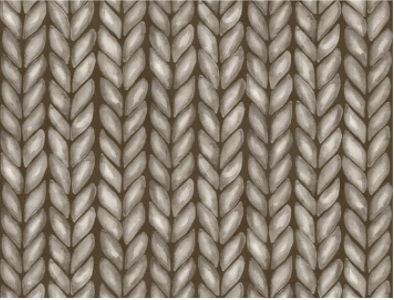
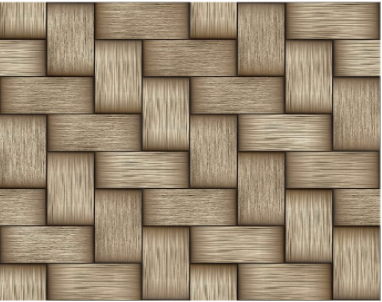
Avoiding synthetic, polyester materials is key for consumers. However, in today’s current market avoiding these materials can pose a challenge, as polyester is commonly used in swimwear, activewear and knitwear due to its properties (e.g. durability). Household laundering, coupled with the structure of a garment can influence fibre shedding. For example, a study undertaken by Stanton, et al. 2023 found that hand washing can release thousands of fibres from garments compared to garments laundered in a machine. However, it is noted that there is limited research on hand-laundering methods. Washing clothing by hand can also be time-consuming and not necessarily feasible for time-crunched households. The study also identified that woven fabrics shed significantly less fibre than knitted fabrics, with knitted polyester garments shedding more than knitted cotton and wool (example shown in Figure 2).
Figure 2: Woven fabric (left), knitted fabric (right). Source: Canva
Furthermore, the European Environment Agency and studies such as those by Hernandez, 2018, Eumonia (2018) and Yang, et. al. (2019) recognise that the use and type of detergent may increase the release of microfibres from garments, in addition to increased temperatures. However, Lant, et al (2020) found that detergent use does not influence microfibre shedding in garments if washed on colder and shorter cycles, coupled with loads that are not over-filled but are complete. This variation in studies calls for further research and a more standardised testing approach to improve the accuracy and reliability of data. When using domestic washing machines, filtration devices such as the ‘XFiltra filter’ can potentially reduce the release of microplastics into wastewater by 78%. Polyester garments can also be placed into a ‘Guppyfriend’ wash bag, which can reduce the release of microfibres into wastewater by 58% (Napper, Barrett & Thompson, 2020).
In certain countries, washing machine effluent is discharged into the sewerage system and treated at a wastewater treatment plant (WWTP). Often, suspended solids are made up of microfibres which have not been treated and are discharged into aquatic environments (Napper & Thompson, 2016). Napper & Thompson (2016) also mention that even if WWTP effectively treated microplastics, sewage sludge, which is a by-product that comes from WWTP can be discharged onto land. If it is discharged onto land, there is still the potential for microplastics to enter the aquatic environment through run-off. A potential option could be the implementation of a biochar and/or activated carbon filter. Whilst further research is required, biochar has the potential to be used for filtration purposes and has been considered to play an important role in immobilising and removing microplastics from water (Abuwatfa, et al. 2021). Overall, improving both washing machines and wastewater treatment technology is important, particularly in the Global South where laundering practices and wastewater treatment facilities may not be the same and/or as advanced as in the Global North.
The Plastic (Clothing) Waste Crisis: Impacts of Disposal
Furthermore, it is important to recognise that the disposal of garments can have adverse impacts on people and the environment. The European Environment Agency (EEA) reports that in 2019, 41% of used textiles from the EU were exported to Asia where they are sorted and processed. These textiles are generally turned into industrial rags, and fillings or transferred to other countries in Asia for recycling, or to be reused in Africa. However, these exported textiles will generally end up in landfills. Additionally, in 2019 the EEA reported that 46% of textiles that have been used end up in local reuse facilities in Africa. What is considered ‘unfit’ for reuse will end up in an open landfill or informal waste stream.
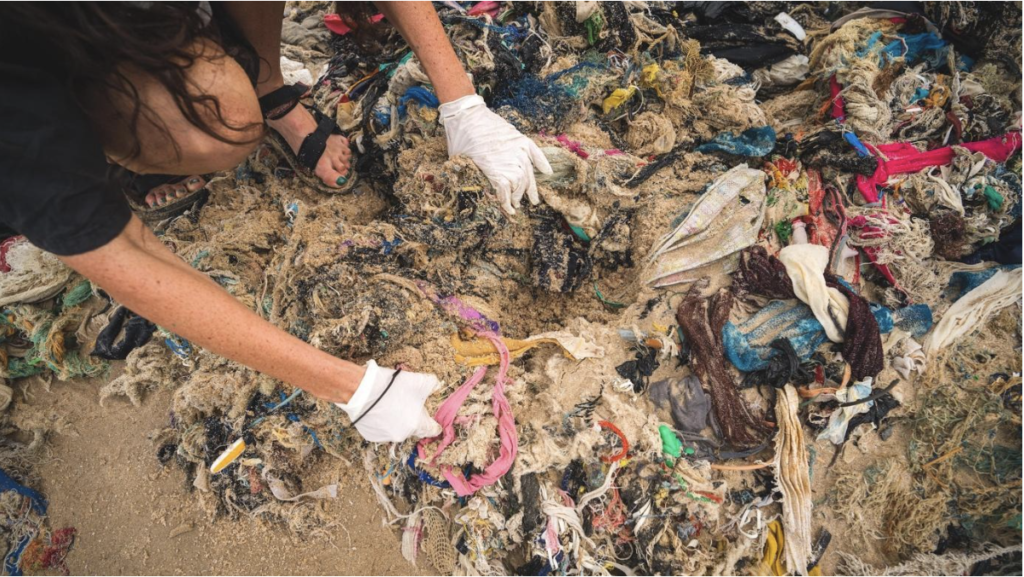
In 2021, the Australian Broadcasting Company (ABC) released an expose, illustrating that 95% of the 200 garments (a bale) sent to the Kantamanto Market in the Accra region of Ghana ended up in a landfill or on the beach (Manieson & Ferreo-Regis, 2023). More broadly, 40% of clothes that end up in the Kantanamanto Market will result in landfill. The Waste Landscape report, developed by the OR Foundation notes that garments, whether they are purposely dumped or transported through wind can clog local gutters, which contributes to flooding of the area and waterborne illnesses. Additionally, clothes can also be transported out to sea. For over 10 years, Liz Ricketts of the OR Foundation has documented textile waste in Ghana, Figure 3 below shows an example of the “tentacles” of clothing found on the shore, their origins being the Kantamanto Market.
Figure 3: Tentacles of clothing in Accra, Ghana. Source: ABC News – Foreign Correspondent: Andrew Greaves
Key Takeaways: Responsibilities and Solutions
Human consumption patterns require change. However, textile producers have a responsibility at the manufacturing stage, as the tightness of the structure of a garment can reduce the shedding of microfibres. Protective coatings can also be applied. Also, advances in technology and fabrics can also mitigate the impact that polyester shedding has on the environment. With regards to washing machines, information should be released to consumers that washing parameters such as temperature, time, water volume, mechanical action and the type of detergent used can impact the rate that garments shed microfibres. Filtration devices in washing machines can also trap microfibres and can be beneficial if the fibres are appropriately disposed of (Weis & De Falco, 2022). Advances in wastewater treatment plants are also beneficial at mitigating the risk of fibres entering waterways.
Nevertheless, this responsibility should also be shared with policymakers. Currently,the European Commission plans to address the issue of microplastics being released from the washing of clothing through a series of reduction and prevention measures across the textile supply chain, such as regulating design requirements. However, it is unclear how these measures will affect countries outside of the EU, particularly as 29% of clothes imported into the EU come from China, followed by Bangladesh (19%) and Türkyie (11%) (EuroStat, 2020).
Whether plastic microfibre particles are diverted from waterways through washing machine filtration devices, microfibres can still be released into the atmosphere through the general use of garments, which can end up as part of the hydrological cycle. Furthermore, it is noted that natural fibres, such as cotton and wool can also have adverse impacts on the environment and their production raises ethical concerns regarding the environment, people, and animals alike. However, something that we can begin to do, is purchase less and be more thoughtful of what we purchase. Fashion provides a creative outlet and a sense of identity for some, and if we do choose to utilise this outlet, we should choose second-hand items where practicable to reduce the overall impact that new clothing has upon our environment, resources, and fellow citizens.
References:
Abuwatfa, W. H., Al-Muqbel, D., Al-Othman, A., Halalsheh, N., & Tawalbeh, M. (2021). Insights into the removal of microplastics from water using biochar in the era of COVID-19: A mini review. Case Studies in Chemical and Environmental Engineering, 4, 100151.
Bajt, O. (2021). From plastics to microplastics and organisms. FEBS Open bio, 11(4), 954-966.
Eerkes-Medrano, D., Leslie, H. A., & Quinn, B. (2019). Microplastics in drinking water: A review and assessment. Current Opinion in Environmental Science & Health, 7, 69-75.
Eunomia and ICF. (2018). Measuring the Impacts of Microplastics. Retrieved from: https://www.eunomia.co.uk/case_study/measuring-impacts-of-microplastics/
Eurostat. (2020). Where do our clothes come from? Retrieved from:
https://ec.europa.eu/eurostat/web/products-eurostat-news/-/edn-20200424-1
European Environment Agency. (2023). Microplastics from textiles: towards a circular economy for textiles in Europe. Retrieved from: https://www.eea.europa.eu/publications/microplastics-from-textiles-towards-a
The Guardian. (2021). Nurdles: The worst toxic waste you’ve probably never heard of. Retrieved from:
https://www.theguardian.com/environment/2021/nov/29/nurdles-plastic-pellets-environmental-ocean-spills-toxic-waste-not-classified-hazardous
Lant, N. J., Hayward, A. S., Peththawadu, M. M., Sheridan, K. J., & Dean, J. R. (2020). Microfiber release from real soiled consumer laundry and the impact of fabric care products and washing conditions. PloS one, 15(6), e0233332.
Manieson, L. A., & Ferrero‐Regis, T. (2023). Castoff from the West, pearls in Kantamanto? A critique of second‐hand clothes trade. Journal of industrial ecology, 27(3), 811-821.
Marsden, P., Koelmans, A. A., Bourdon-Lacombe, J., Gouin, T., D’Anglada, L., Cunliffe, D., … & De France, J. (2019). Microplastics in drinking water. World Health Organization.
Napper, I. and Thompson, R. (2016). Release of synthetic microplastic plastic fibres from domestic washing machines: Effects of fabric type and washing conditions. Marine Pollution Bulletin.